
Luxury pet hotels justify higher fees when documented differences reduce risk and improve welfare. They provide climate‑controlled, soundproof private suites, higher staff‑to‑guest ratios, certified behavior and medical personnel, formal cleaning logs pet hotel, and measurable enrichment programs. Costs reflect staffing, medical monitoring, specialized activities, and premium amenities plus location and insurance. They often make sense for medically fragile, anxious, or long‑stay pets. Continue for a detailed breakdown of services, pricing drivers, and practical alternatives.
What Luxury Pet Hotels Offer and How They Differ From Standard Kennels
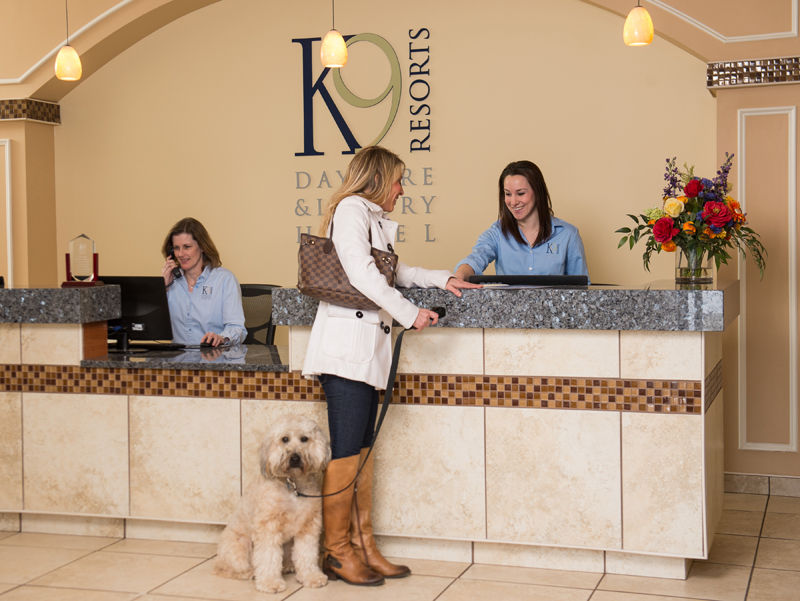
Compared with standard kennels, luxury pet hotels deliver measurable upgrades across accommodations, staffing, and ancillary services: private suites with climate control and soundproofing, higher staff-to-guest ratios (often 1:6 or better versus typical 1:10–1:20), certified behavior and medical personnel onsite, and add-on amenities such as grooming, physical therapy, and customized nutrition plans. They emphasize suite amenities, curated enrichment, and gourmet meals, targeting owners who prioritize flexibility.
Health, Safety, and Staff Qualifications to Look For
Prioritize objective indicators of care: reputable luxury pet hotels maintain up-to-date vaccination and parasite-prevention policies, documented cleaning and disinfection protocols (with EPA-registered agents and frequency logs), and formal emergency plans tied to nearby veterinary hospitals. Inspections should confirm vaccination verification, staff certifications in animal CPR and behavior, secure facility design, and measurable enrichment programs with individualized activity plans supporting physical and mental welfare.
Cost Breakdown: What You’re Paying For
When evaluating luxury pet hotel pricing, providers typically itemize costs into discrete service categories—accommodation tier, staffing ratios and specialized care (medical monitoring, behavior support), enrichment and activity programming, grooming and spa services, and ancillary fees (transportation, medications, premium bedding)—so consumers can trace higher rates to measurable inputs such as staff qualifications, facility overhead, and licensed veterinary partnerships. Detailed line items reveal location premiums, amenities depreciation, staffing costs, and insurance.
When a Luxury Stay Makes Sense for Your Pet
In evaluating whether a luxury pet hotel is the appropriate choice, owners should weigh measurable indicators—medical needs, behavioral profiles, socialization requirements, and expected duration of stay—against the facility’s documented capabilities such as staff-to-pet ratios, on-site veterinary partnerships, and certified enrichment programming. Data-driven selection favors pets with complex care, high breed preferences sensitivity, or separation anxiety; it also mitigates owner guilt through transparent outcome metrics.
Alternatives to Full-Service Luxury Boarding
Alongside full-service luxury boarding, a spectrum of alternatives — including in-home pet sitters, day-boarding with enrichment add-ons, veterinary-focused short-term stays, and supervised home exchanges — offers measurable trade-offs in cost, supervision level, and enrichment. Data-driven comparisons show in home pet sitting reduces stress and cost for travel-flexible owners; pet exchange networks and structured day programs provide scalable, lower-cost supervision with varied enrichment outcomes.
Frequently Asked Questions
Do Luxury Pet Hotels Offer Webcams for Owner Viewing?
Yes — many luxury pet hotels provide live streaming so owners can view pets remotely. Providers emphasize uptime metrics and usage rates, but industry-savvy buyers should weigh service value against documented privacy concerns and opt-in controls.
Are There Breed or Size Restrictions at Luxury Pet Hotels?
Yes. Facilities commonly enforce breed limitations and size requirements based on safety, liability, and space; industry data shows 60–80% of luxury pet hotels restrict certain breeds and set weight or dimension thresholds for specific accommodations.

Can Pets Keep Their Regular Diet and Meal Schedule?
Yes. Facilities generally allow owners to bring foods and maintain schedule; data-driven operations record portions, feeding times, and allergies. Industry-savvy staff follow written instructions, accommodate special diets, and track compliance for owner peace and pet freedom.
Do Luxury Hotels Accommodate Multiple Pets From One Household?
Yes — many luxury pet hotels accept multiple pets from one household, offering group discounts and shared suites; industry data show increased occupancy efficiency and owner satisfaction when coordinated bookings, combined-care plans, and flexible intake schedules are provided.
Is Gratuity Expected for Grooming or Caretaking Staff?
Yes — gratuity is commonly expected for grooming or caretaking staff. Industry data shows varied tipping norms; providers publish staff policies specifying suggested percentages or flat amounts, enabling independent owners to choose personalized, transparent gratuity practices.
Conclusion
Luxury pet hotels justify premiums when they deliver quantifiable benefits: higher staff-to-pet ratios, trained caregivers, veterinary partnerships, individualized care plans, enhanced sanitation, and enrichment programs that reduce stress and illness. Cost breakdowns show owners pay for labor, facilities, and liability. For routine stays, mid-tier boarding often suffices; for medical needs, behavioral concerns, or high-value breeds, luxury options can reduce risk and post-stay recovery costs. Decision should match pet needs, budget, and objective outcome metrics.